







Ecommerce is no longer just a trend — it's a necessity. Whether you're a startup launching your first product line or an established retailer expanding your digital presence, building a reliable, scalable, and user-friendly e-commerce website is critical to success.
At the core of any successful e-commerce platform lies a powerful Content Management System (CMS). The CMS acts as the control center, helping you manage everything from product listings to promotional banners without needing to touch a single line of code. This becomes even more important as your inventory grows, your team expands, and your customer expectations rise.
Traditionally, many businesses have relied on monolithic platforms like WordPress or Magento. While these platforms offer robust features, they can be limiting in terms of customization, speed, and frontend flexibility—especially when you want to offer a tailored user experience across multiple devices.
This is where Strapi, a headless CMS, shines.
Strapi offers a modern, API-first approach to content management, enabling developers and marketers alike to manage content dynamically while giving frontend developers complete freedom to build in their language or framework of choice. Whether you're using React, Next.js, Vue.js, or any other modern frontend stack, Strapi makes integration seamless.
For e-commerce, this flexibility is a game-changer. You can connect your store to any frontend, integrate with third-party services, and scale effortlessly—all while maintaining centralized control over your content and product catalog.
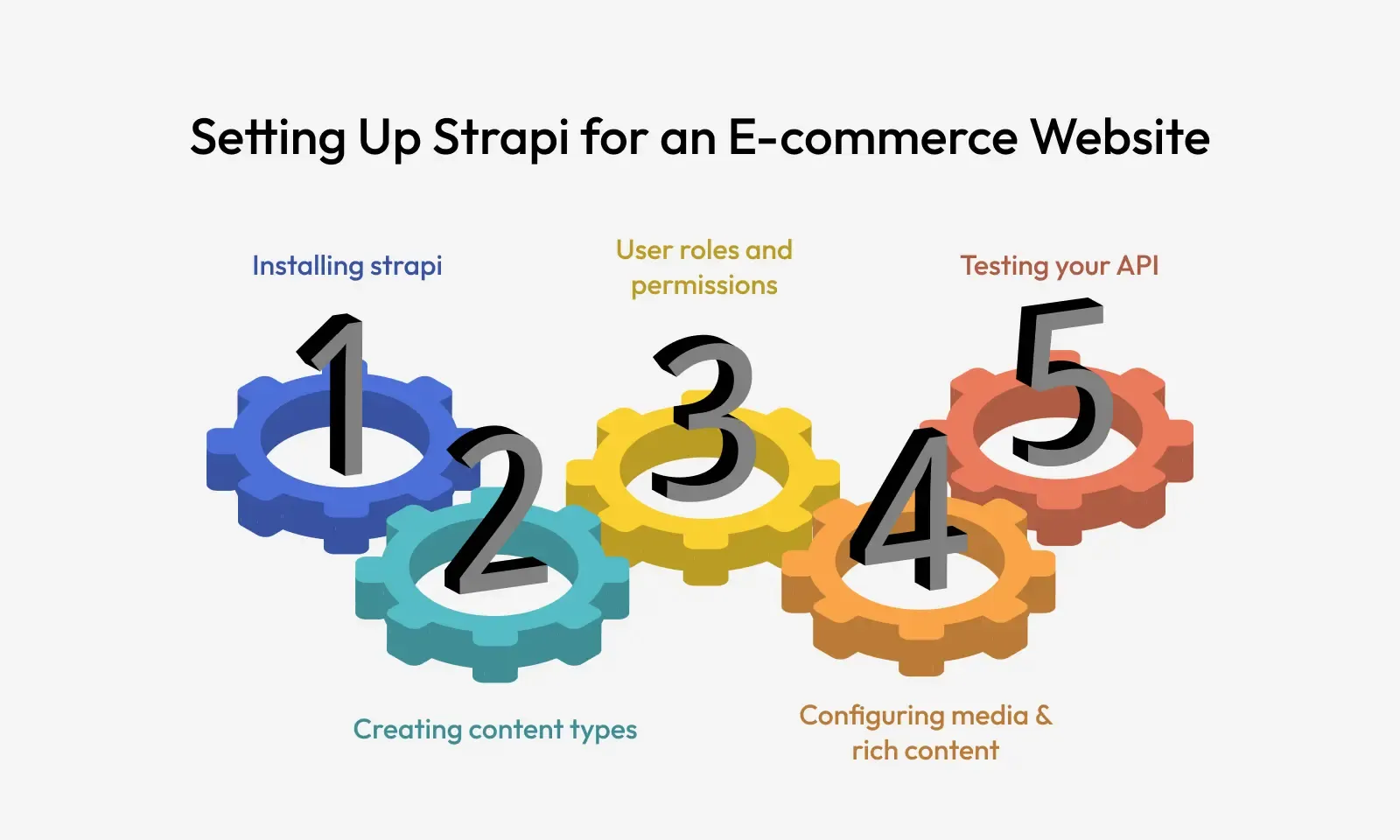
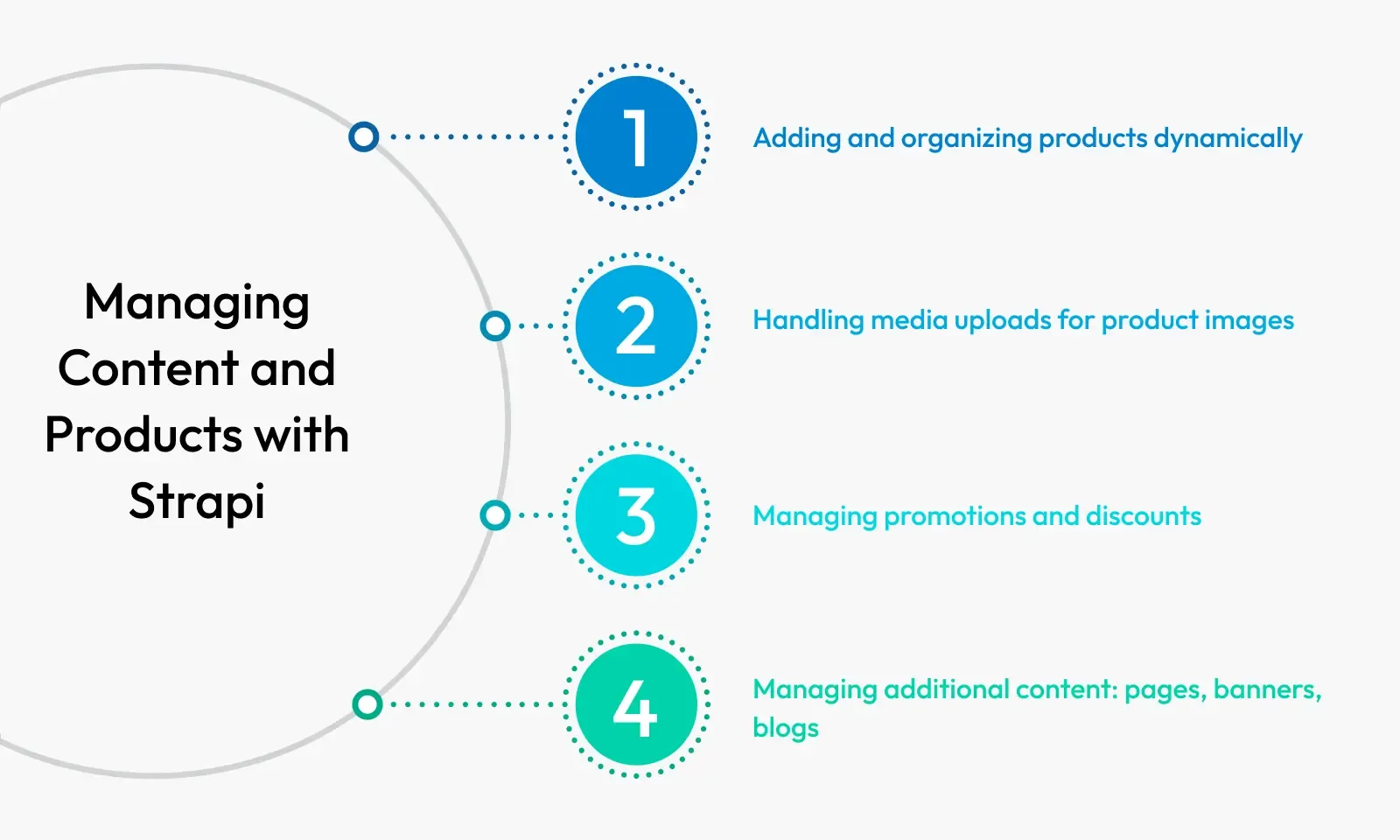
In this comprehensive guide, we’ll walk you through everything you need to know about using Strapi to build a modern e-commerce website—from setup and integration to content management, plugins, and deployment.